Let’s be honest with you before we get into the details, this is not going to be a cheap trip.
The FIFA World Cup 2026 starts from June 11 to July 19 across the USA, Canada, and Mexico. 48 teams, 104 matches, 16 cities, and global demand funneling into North America all at once.
Airfares for June 2026 are trending roughly 350% above normal market rates. Hotels are tracking similarly, with properties near premium venues listing at $6,000 a night in some host cities. Homeowners are moving out for the month just to rent to fans.

The match is 90 minutes. Finding somewhere to sleep without getting priced out is the harder problem, and it is already happening. The accommodation shortage in FIFA World Cup 2026 is not a prediction anymore – it is playing out in real time across every host city.
This FIFA World Cup 2026 accommodation guide covers where to stay, what to expect at every price point, and how to book before the remaining inventory disappears, whether you are flying from Buenos Aires, driving from Oklahoma, or planning a multi-city trip across three countries.
| Book Hotels Near FIFA WC ’26 Stadiums |
|---|
Table of Content
- Why 2026 Accommodation Planning Is Different for FIFA World Cup 2026
- Accommodation Options for the World Cup 2026
- How Much Will You Pay During FIFA26?
- The Best Neighborhoods to Stay
- How to See Multiple Matches Without Flying Everywhere
- Accommodation Booking Tips for FIFA World Cup 2026
- Biggest Mistakes Fans Are Making
- Scam Awareness & Booking Safety
- Closure
- FAQs
Why 2026 Accommodation Planning Is Different for FIFA World Cup 2026
Past World Cups have happened in a single country. Brazil 2014 spread fans across 12 cities, but it was still one visa, one currency, one country-wide transport rhythm. In 2026, a fan following their team through the group stage might sleep in three countries across 10 days.
That means your choice of where to stay for the World Cup 2026 decision isn’t just about comfort. It’s about logistics, which airport serves which stadium, whether your rental allows same-day check-in after an 11 pm match, and how far your hotel sits from fan zones running until 2 am.
Accommodation Options for the World Cup 2026
Strategic booking is the most effective way to protect your budget while ensuring you have a place to rest between matches. The following breakdown categorizes the available housing by traveler type and utility.
Hotels
Best for: Solo travellers, couples, or anyone who values service, convenience, and reliability.
Hotels provide a predictable environment. Services like daily room cleaning, a staffed front desk, and food on the premises are helpful when you return late from a match. Large global chains maintain locations in every host city.
Rates near the stadiums are increasing fast. It is usually smarter to book through the hotel’s own site rather than a third party. This often secures a better price, more flexible cancellation terms, and points for their loyalty programs.
Price range during World Cup: $250–$700+ per night, depending on city and proximity to the venue.
Short-Term Rentals
Best for: Groups of 3 or more, families, fans who want to live like a local, and longer-stay visitors.
For groups, understanding the FIFA World Cup 2026 hotel vs rental tradeoff matters more than most fans realize. Renting a house or apartment is frequently 30% to 40% cheaper per person than booking several hotel rooms. Access to a full kitchen and separate living areas changes the dynamic of the trip.
While many listings remain available for under $500 a night, that inventory is dropping. Look for places that allow you to cancel without a massive penalty. This protects you if your team exits early or the match locations change.
Hostels
Best for: Solo budget travellers, backpackers, and fans looking to meet other supporters from around the world.
This is the most social and affordable path. Cities like Los Angeles, New York, and Miami have established hostel networks. Shared rooms can cost between $50 and $90. Private rooms in these buildings are often much cheaper than even basic hotels.
Focus on spots near train lines or bus hubs. Even if they are further from the stadium, they provide better access to the rest of the city and lower prices.
Extended Stay & Serviced Apartments
Best for: Visitors attending multiple matches across a 2–4 week stay.
If you’re following your national team through the group stage and into the knockouts, a serviced apartment offers the comfort of home with the flexibility of self-catering. Rates per night go down dramatically on weekly and monthly bookings, and you avoid the pricing chaos of match-day-specific listings.

How Much Will You Pay During FIFA26?
To understand what World Cup 2026 accommodation rates and availability actually look like, here’s a general snapshot based on current market data:
| Host City | Normal Rate | World Cup Rate | Price Increase |
|---|---|---|---|
| New York / New Jersey Final – MetLife Stadium |
~$280/night | $583 – $900+/night | +100 – 220% |
| Los Angeles SoFi Stadium |
~$200/night | $400 – $700/night | +100 – 250% |
| Vancouver BC Place · 7 matches |
~$200/night | $554 – $868/night | +200 – 330% |
| Dallas Semi-Final – AT&T Stadium |
~$150/night | $400 – $950/night | +160 – 240% |
| Kansas City QF – Kansas City Stadium |
~$160/night | $500 – $1,100/night | +200 – 300% |
| Houston NRG Stadium · 7 matches |
~$120/night | $200 – $350/night | +60 – 180% |
| Atlanta Semi-Final – MB Stadium |
~$150/night | $200 – $400/night | +50 – 170% |
| Toronto BMO Field |
~$250/night | $400 – $600/night | +60 – 140% |
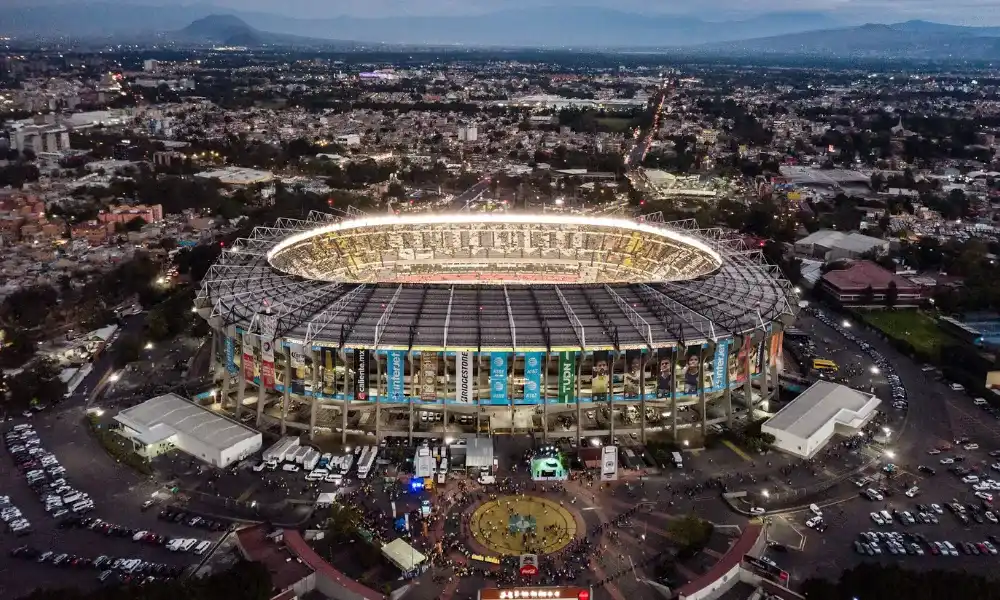
| Mexico City Opening Match — Estadio Azteca |
~$80/night | $150 – $3,800/night* | +80 – 2,300%* |
Sources: MyLighthouse, AirROI, AirDNA, The Athletic, media reports (Dec 2025 – May 2026)
The Best Neighborhoods to Stay
How to See Multiple Matches Without Flying Everywhere
The biggest mistake fans will make with World Cup 2026 accommodation is trying to bounce between every host city. On paper, it sounds manageable. In reality, you lose entire days to airports, delayed flights, hotel check-ins, and transport between cities. The people who enjoy this tournament the most will probably be the ones who slow things down a bit and focus on one region at a time.
Route: Northeast Corridor
Cities: New York → Philadelphia → Boston
Travel Time: New York to Philadelphia takes around 90 minutes by train, while Philadelphia to Boston takes roughly 4–6 hours.
Best Strategy: This is probably the easiest route in the tournament. You can base yourself in New York, catch matches there, then take the train to Philadelphia or Boston without turning every matchday into a travel day. It cuts down on flights, keeps planning simple, and gives you more time to actually enjoy the cities instead of rushing through terminals.
Route: Central Texas Triangle
Cities: Dallas → Houston → Kansas City
Travel Time: Dallas to Houston is about a 4-hour drive, while Kansas City is either a short flight or around 5 hours by road from Dallas.
Best Strategy: Texas works well for fans who do not mind driving. Dallas and Houston are close enough to combine into one trip, and Kansas City is easy to add later. Renting a car gives you more flexibility, especially if hotel prices jump near the stadiums. There should also be a huge number of matches in this part of the tournament, which makes the travel effort worth it.
Route: West Coast Pacific Route
Cities: Los Angeles → San Francisco → Seattle (→ Vancouver)
Travel Time: Frequent flights connect all cities, though many travellers may choose a coastal road trip instead.
Best Strategy: A lot of supporters will probably choose Los Angeles as their base and move north from there. Flights are easy, but driving parts of the coast could turn into one of the best parts of the trip itself. The downside is price. Hotels and FIFA World Cup 2026 rentals on the West Coast are unlikely to stay cheap once the tournament gets closer.
Route: Mexico Central Triangle
Cities: Mexico City → Guadalajara → Monterrey
Travel Time: Mexico City to Guadalajara takes around one hour by flight, with short domestic connections throughout the region.
Best Strategy: This route could end up surprising a lot of people. Travel times are shorter, accommodation is often cheaper than in major U.S. cities, and the football atmosphere should be excellent from start to finish. For fans trying to stretch their budget without cutting matches from the trip, Mexico makes a strong case.
If you want to find vacation rentals for FIFA World Cup 2026 along this corridor before they disappear, it makes sense to lock something in sooner rather than later.
Accommodation Booking Tips for FIFA World Cup 2026
- Map your matches before anything else
Confirm which cities your team plays in during the group stage. Each city may require separate accommodation and potentially travel across different countries. Plan your route before booking any stay.
- Check in-city hotels, suburbs, and short-term rentals
Don’t focus only on stadium-adjacent hotels. Staying 20–40 miles outside the city centre with good transit access can save hundreds per night. For groups of three or more, multi-bedroom rentals are often cheaper than booking multiple hotel rooms.
- Cross-check multiple platforms and the hotel directly
The same room can vary by $50–$150 depending on the booking platform. Always compare prices across major travel sites, then check the hotel’s official website. Direct bookings sometimes include perks like free breakfast, flexible cancellation, or loyalty rewards.
- Book free-cancellation rates immediately
If you are still weighing when to book World Cup 2026 accommodation, the answer is now. Lock in current prices with free-cancellation bookings whenever possible. If rates drop later or better options appear, you can rebook and cancel without losing money. Flexibility matters as match schedules evolve.
- Confirm the listing is legal and the host is verified
When booking FIFA World Cup 2026 rentals, verify the host’s review history and local registration status. This is especially important in cities with stricter short-term rental regulations, such as Vancouver. Avoid listings with limited reviews or incomplete profiles.
- Only pay through trusted, encrypted platforms
Never send money directly to hosts through bank transfers or unofficial payment methods. Avoid social media “exclusive deals” or unknown booking sites. Use trusted platforms with secure payment protection and verified customer support.
- Keep monitoring and rebooking as the tournament progresses
Your team could advance to additional cities during the knockout rounds. Keep tracking accommodation options with free cancellation policies in potential host cities. Availability becomes extremely limited during the later stages of the tournament, especially for the Final in New York/New Jersey on July 19.
If you find yourself scrambling, there are still strategies worth knowing for last-minute FIFA World Cup 2026 accommodation, but the options narrow fast.
Biggest Mistakes Fans Are Making
Waiting for prices to drop. They will not. Prices for World Cup accommodation consistently rise as match day approaches. Every week of delay locks in higher prices and fewer options.
Only searching close to the stadium. The best-value stays are often 20–40 miles out, with strong public transit or highway access. Many stadium neighborhoods have minimal walkable lodging options anyway (Foxborough, Arlington/TX, and Santa Clara are classic examples).
Ignoring cleaning fees and service charges on short-term rentals. As demand spikes, short-term rental listings often end up more expensive than mid-range hotels once all fees are factored in. Always view the total price, not just the per-night headline rate.
Booking non-refundable rates without knowing the full schedule. The group stage schedule means your team may not play in the city you expected. Flexibility is essential.
Not verifying the rental host’s track record. New or unreviewed listings have spiked across host cities as opportunistic hosts rush to cash in. Always prioritize top-rated hosts with verified reviews.
Scam Awareness & Booking Safety
With millions of fans searching for FIFA World Cup 2026 rentals and hotel rooms, fraudulent listings have increased across multiple platforms.
Key red flags to watch for:
- Listings with no reviews or a host account created in the past few months
- Requests to communicate outside of the official platform (WhatsApp, email, etc.)
- Payment requests via bank transfer, cryptocurrency, or gift card
- Prices that seem dramatically lower than comparable listings in the same neighborhood
- Listings without verifiable addresses or that use stock photos
Closure
The matches last 90 minutes. The memories last a lifetime. But none of it happens without a place to sleep. You now have the pricing data, the neighborhood guides, the booking strategies, and the scam red flags, everything you need to make a confident decision. The only thing left is acting on it. Lock in your free-cancellation rates today, stay flexible as the tournament unfolds, and focus on the football. That’s what you came for.
FAQs
It depends on the city. For Vancouver, New York/New Jersey, Mexico City, and Miami, options are critically limited, and prices are extremely high. For cities like Kansas City, Houston, Guadalajara, and Atlanta, there is still inventory available at (relatively) reasonable rates. Act now, regardless of whether the situation gets worse, not better, as the tournament approaches.
This depends on your priorities. Stadium-adjacent accommodation gives you zero match-day transport stress but often leaves you in a suburban area with limited restaurant or nightlife options outside game time. A city center base with transit access is the better all-around choice for most fans, unless you are in a city like Vancouver or Seattle, where the stadium is right in the heart of downtown anyway.
On Location is the official hospitality provider. For premium bundle packages (tickets + accommodation + experiences), visit FIFA.com/hospitality. For general accommodation, there is no single official hotel booking platform. FIFA recommends booking through reputable platforms and registered agents.
This is the core reason to book refundable rates. If your team exits in the group stage, you have 24–48 hours of notice before the next match. Refundable hotel rates let you cancel without penalty. Non-refundable bookings may still be resalable through platforms like Booking.com’s “sell your reservation” feature in some cases.
Guadalajara, Mexico, is the most affordable host city of the tournament by a significant margin. Mexico City and Monterrey follow, still dramatically cheaper than any US city. For US venues, Kansas City and Houston offer the best value among North American markets.

Margaret C. Jones
Margaret C. Jones, a passionate explorer of North America, captivates readers with her vivid tales on Travelarii’s blog. With a keen eye for hidden gems and local culture, Margaret offers expert advice and unique insights to enhance your travel experience. Her stories bring the diverse landscapes and vibrant cities of North America to life, inspiring readers to embark on their own adventures.